ENVIRONMENT &
SUSTAINABILITY
Serving as a green pulse for student-led change, we foster a culture of environmental stewardship through active conservation drives, reforestation, waste collection campaigns, and interactive eco-friendly workshops.
About Us
As the green heartbeat of NSS IIT Bombay, we transform environmental awareness into scalable grassroots action. We bridge the gap between theory and impact through coastal cleanups, tree plantations, resource recovery drives, and interactive upcycling workshops. Join us to practice circular living, reduce your footprint, and lead the movement toward a sustainable future.
Initiatives

Upcycling Workshop
Repurposing old, non-biodegradable materials such as plastic bottles and containers into useful and creative items, including bottle planters, toys, and decorative pieces. Through the collective effort, a significant number of toys and decorative items were produced, which are planned to be donated to children from an NGO. The workshop highlighted the value of creative reuse while reinforcing the idea of giving discarded materials a second life.

Plantation Drive
The Plantation Drive was organised as part of the Environment Day pledge. During this field visit, over 150 saplings were planted near the Sameer Hill area on the outskirts of the campus. Volunteers actively participated by planting and watering the saplings themselves. The initiative reinforced the importance of nurturing green spaces and encouraged hands-on involvement in environmental conservation.

Vrukshabandhan
The Orientation and Vrukshabandhan programme marked the beginning of the EnS journey for over 400 first-year students. The session introduced students to the department’s vision and activities, followed by Vrukshabandhan an initiative inspired by the values of Raksha Bandhan, symbolising care, protection, and responsibility. As part of the activity, eco-friendly handmade rakhis were tied to trees in and around the LHC area. This symbolic gesture encouraged students to reflect on the essential role trees play in sustaining life and to express gratitude by honouring them. The activity helped set the tone for the semester by combining environmental awareness with cultural significance.

Mangrove CleanUp
A field visit was organised at the Marine Biodiversity Centre as part of a mangrove cleanup drive near Airoli. Volunteers were provided with necessary guidance and safety equipment before cleaning the mangrove areas. Demonstrating strong commitment, several volunteers ventured into chest-deep mangroves to remove plastic waste, discarded clothing, and other debris. With participation from over 120 volunteers, the drive aimed to instil a sense of responsibility and awareness regarding environmental conservation, while encouraging reflection on everyday actions and their impact on surrounding ecosystems.

Independence Day
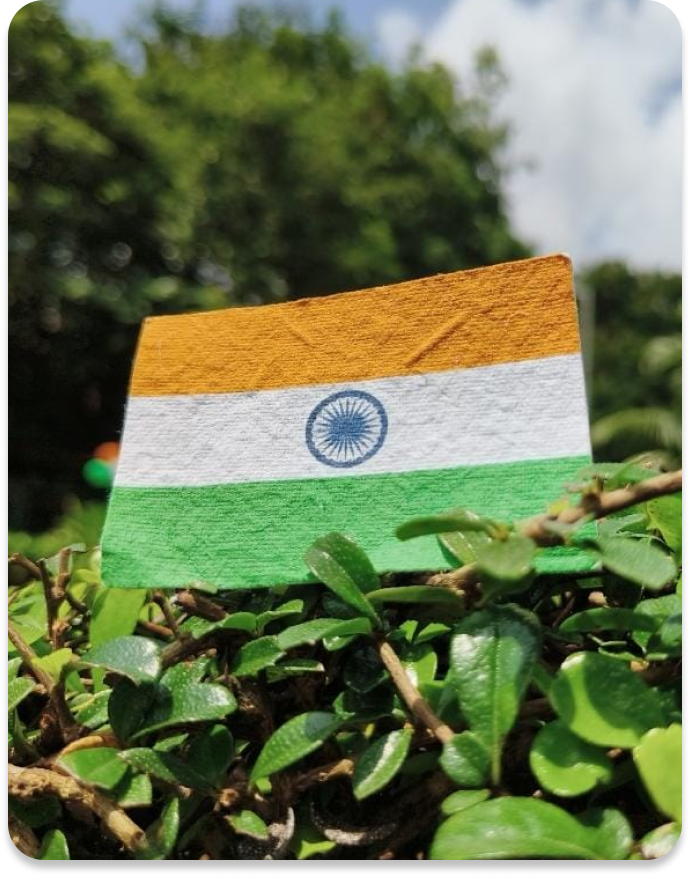
To celebrate Independence Day in a sustainable manner, EnS distributed over 500 seed paper flag badges to campus residents gathered for the flag-hoisting ceremony near the NCC area. These badges were completely eco-friendly and could later be planted to grow basil plants, allowing the celebration to extend beyond the day itself. The badges were distributed across all age groups, from children to senior professors, symbolising a shared commitment to conscious and responsible celebration of national festivals while promoting sustainability.
Eco-friendly Ganesha
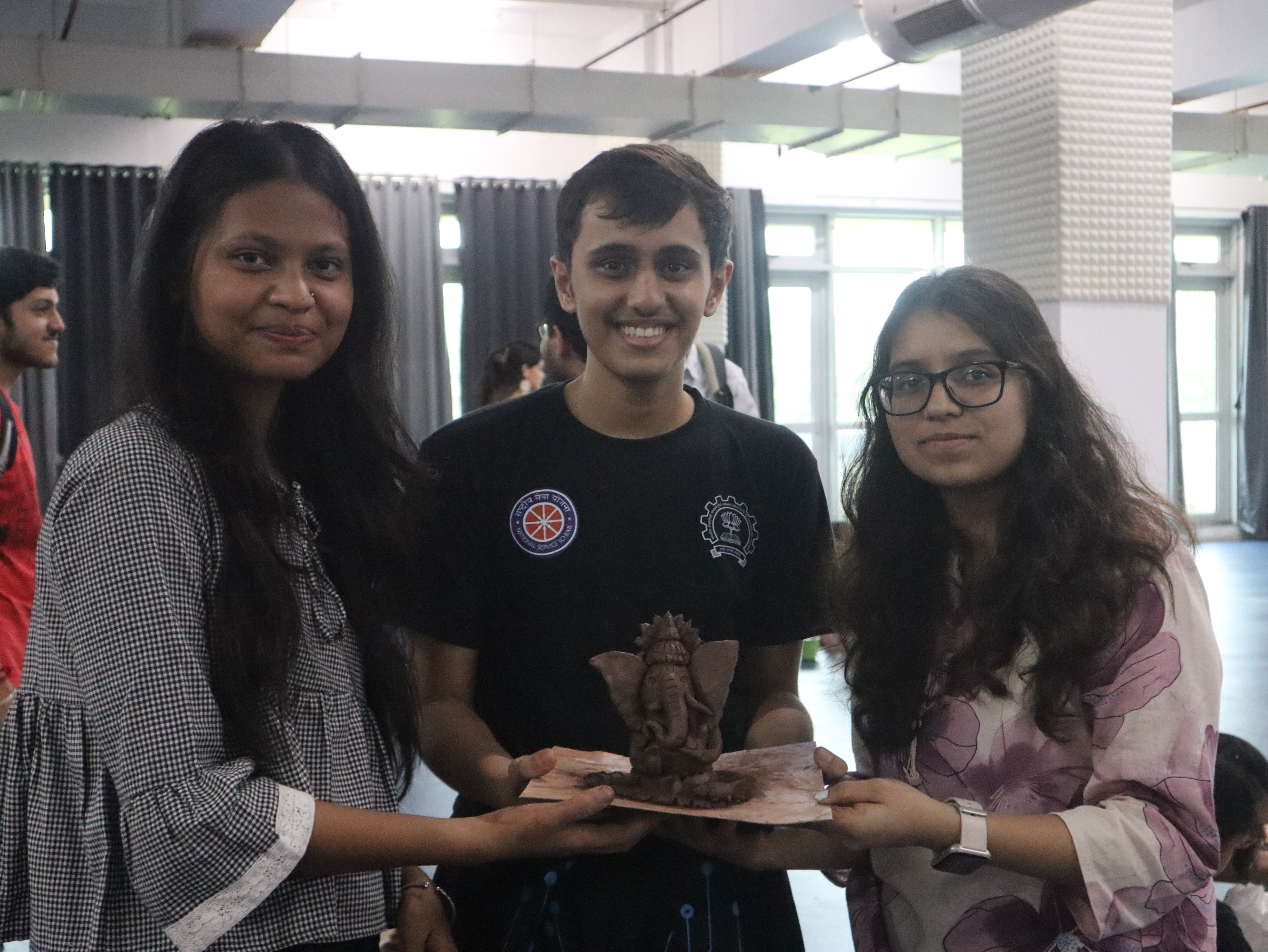
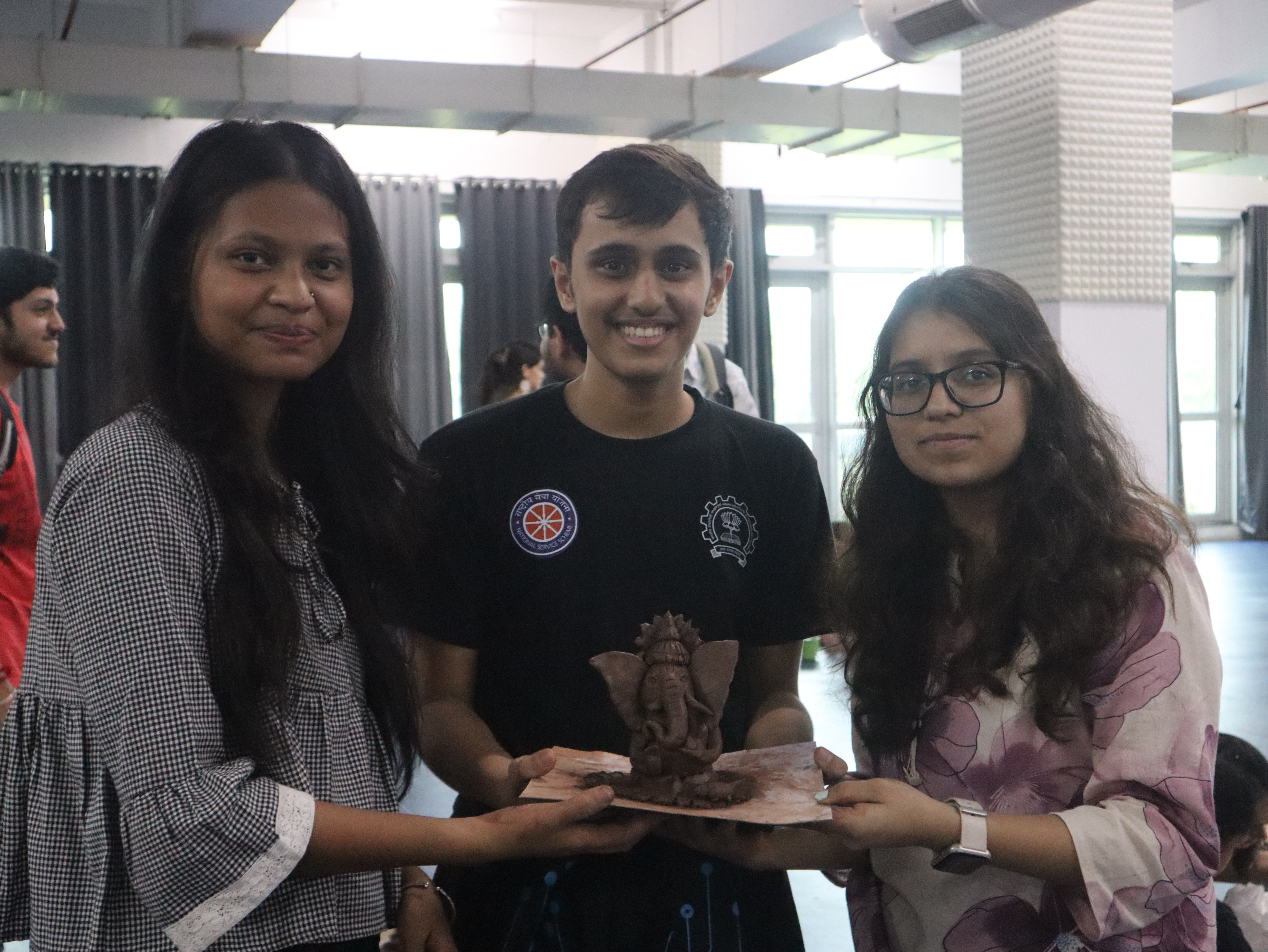
Eco-Friendly Ganesha (EFG) is an annual flagship initiative of EnS aimed at promoting environmentally responsible festive practices during Ganesh Chaturthi. As part of this initiative, a one-day hands-on workshop was organised for campus residents, where participants created their own take-home Ganesh idols using natural, environmentally safe clay. The workshop witnessed enthusiastic participation from over 300 students and residents, reflecting growing awareness and collective willingness to adopt eco-conscious alternatives to conventional festival practices.

Cloth Collection Campaign
Annual NSS initiative aimed at collecting old and unused clothing from campus residents. Conducted over two weeks, the campaign began with door-to-door awareness visits, where volunteers informed residents about the initiative and encouraged mindful donations. In the second week, volunteers revisited residences to collect the donated clothes. Through sustained collective effort, over 1.8 tonnes of clothing were collected. The donations were handed over to NGO Goonj, which repurposes and redistributes the clothes to support underprivileged communities, promoting sustainability and responsible consumption.

Bottle Plantation
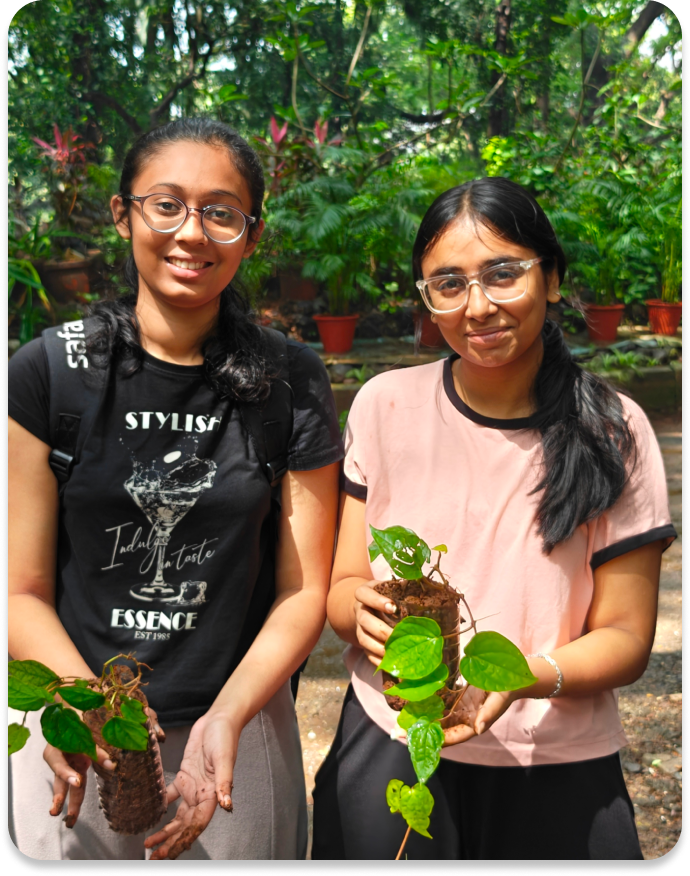
Bottle Plantation was a unique initiative that combined elements of upcycling with plantation. Volunteers brought old or unused plastic water bottles and transformed them into bottle planters by cutting, shaping, and preparing them before planting saplings. The volunteers then took these planters back to their hostels and placed them in rooms or common areas, ensuring continued care and ownership. The activity promoted reuse and repurposing while increasing green cover during the monsoon planting season.
Our Flagship Event
Eco-Friendly Ganesha Workshops
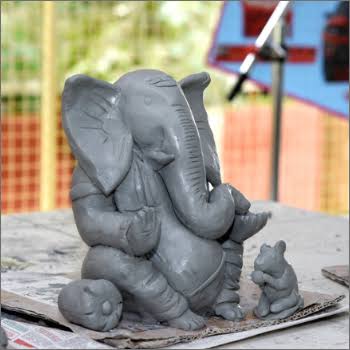
As our signature flagship campaign, the Eco-Friendly Ganesha Idol-Making Workshop leads the campus transition toward zero-waste, sustainable festivities by phasing out non-biodegradable Plaster of Paris (PoP) idols.
We manage the end-to-end execution of this initiative—sourcing and distributing raw natural clay, onboarding certified NGO instructors, and stationing student volunteers across sessions to ensure smooth ground operations.
By guiding students and residents through hands-on clay sculpting, we replace harmful synthetic materials with eco-conscious traditions that actively protect our local environment.

Our Team
The Heads
Anushka Vilas Bansode

Chinmay Krishna Deepak
Activity Associates

Adarsh Jha

Gyanesh Jaiswal

Harshit Goplani
Prasad Baviskar
P.V.S Vinay

Snehal Khandizod

Vansh Notiya
Vedasri Manogna Sundara